
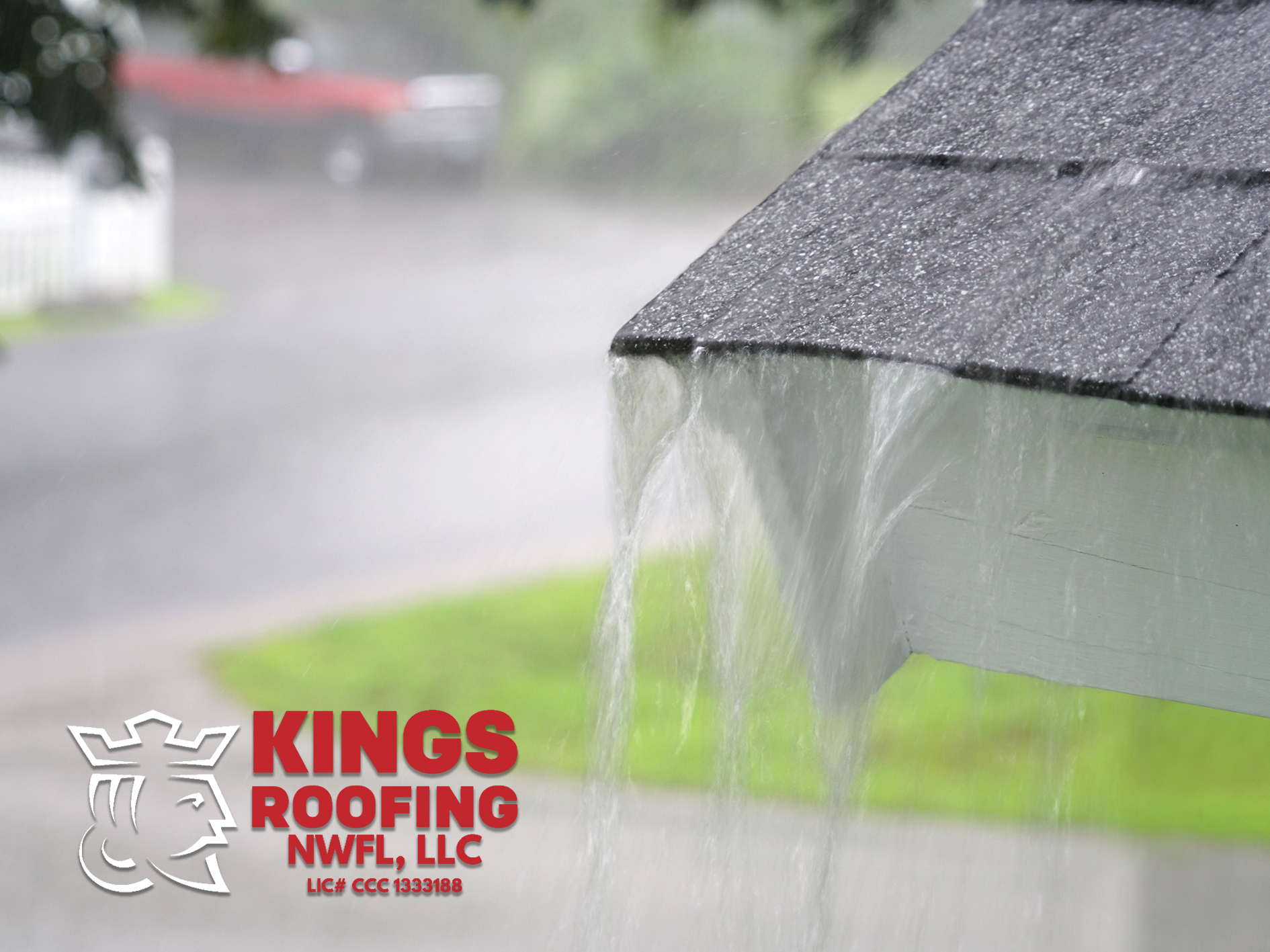
The First Big Storm of the Season Tells You More Than You Think
Every year, Florida homeowners brace for the first major storm of the season. While it may not be the strongest storm you’ll experience all year, it’s often the one that reveals problems that have been quietly developing for months.
The combination of heavy rain, strong wind, and sudden pressure changes puts your roof to the test. If there are weak spots, the first significant storm usually finds them.
For homeowners across Panama City, Destin, Pensacola, Bradenton, Cape Coral, and throughout Florida, understanding what actually happens to your roof during that first storm can help you catch issues before they become expensive repairs.
Your Roof Has Been Aging All Winter and Spring
Even without severe weather, your roof has been working hard.
Months of exposure to:
- Florida’s intense UV rays
- Humidity
- Temperature swings
- Afternoon showers
- Salt air near the coast
Gradually weaken roofing materials. By the time the first major storm arrives, your roof may already have loose shingles, aging sealants, or weakened flashing that aren’t visible from the ground.
Heavy Rain Finds the Smallest Weak Spots
Your roof is designed to shed water but only if every component is working properly.
During the first prolonged rainfall, water immediately begins testing:
- Roof valleys
- Flashing
- Plumbing vent boots
- Chimneys
- Skylights
- Roof penetrations
A tiny gap that’s gone unnoticed for months can suddenly become an interior leak. That’s why many homeowners discover ceiling stains or attic moisture after the season’s first heavy rain, even if their roof looked perfectly fine beforehand.
Strong Winds Lift Shingles That Were Already Loose
Most shingles don’t blow off because they’re brand new. Instead, years of Florida heat slowly weaken the adhesive strips that keep shingles sealed against the roof.
When the first strong winds arrive, they can:
- Lift loose shingles
- Break aging seals
- Expose the underlayment
- Allow wind-driven rain underneath the roofing system
Even if shingles don’t blow away completely, partially lifted shingles can shorten the overall life of your roof.
Roof Flashing Gets Put to the Test
One of the first components to fail during a storm isn’t always the shingles, it’s the flashing.
Flashing protects vulnerable areas around:
- Chimneys
- Roof-to-wall transitions
- Plumbing vents
- Skylights
Heavy rain combined with gusty winds can force water beneath damaged flashing, allowing moisture to travel inside walls and ceilings before homeowners notice a leak.
Gutters Suddenly Have to Do Their Job
After months of collecting leaves, pine needles, and debris, your gutters are suddenly asked to handle thousands of gallons of water.
If they’re clogged or damaged, you may experience:
- Overflowing gutters
- Water backing up beneath shingles
- Fascia damage
- Soil erosion around your home
- Increased moisture around the foundation
Proper drainage plays a much bigger role in roof performance than many homeowners realize.
Small Problems Become Big Problems Quickly
One of the biggest misconceptions about roofing is that damage happens all at once. In reality, storms often expose issues that have been developing slowly over time.
For example:
- A loose piece of flashing becomes an active leak.
- A cracked vent boot allows water into the attic.
- A lifted shingle becomes missing after high winds.
- A clogged gutter causes water to back up beneath the roof edge.
The storm didn’t necessarily create these problems, it simply revealed them.
What Should You Check After the First Major Storm?
Once it’s safe, walk around your home and look for signs of damage such as:
- Missing or lifted shingles
- Shingle granules collecting in gutters
- Bent or detached flashing
- Sagging gutters
- Tree branches resting on the roof
- Water stains on ceilings
- Damp attic insulation
- Debris collecting in roof valleys
Remember, many roofing issues aren’t visible from the ground. A roof can appear perfectly normal while hidden damage continues to worsen beneath the surface.
Why a Professional Roof Inspection Is Worth It
A professional inspection after the first major storm can identify issues before they turn into emergency repairs.
At Kings Roofing NWFL, our inspections include:
- Shingle condition
- Flashing and seal inspection
- Roof penetrations
- Ventilation assessment
- Gutter and drainage evaluation
- Signs of hidden moisture intrusion
Finding and repairing minor damage early is almost always less expensive than waiting for a leak to spread.
Trust Kings Roofing NWFL to Keep Your Roof Storm-Ready
Homeowners throughout Panama City, Destin, Pensacola, Gulf Breeze, Bradenton, Cape Coral, Fort Myers, and surrounding Florida communities trust Kings Roofing NWFL for honest inspections, expert repairs, and quality roof replacements.
Whether you suspect storm damage or simply want peace of mind before the next round of bad weather, our experienced team is here to help.
Schedule Your Roof Inspection Today
The first big storm of the season can reveal problems you didn’t know existed but it doesn’t have to lead to costly repairs.
Contact Kings Roofing NWFL today to schedule a professional roof inspection. We’ll identify potential issues, recommend the right solution, and help ensure your roof is ready for whatever Florida weather brings next.
FAQs: First Storm Roof Damage in Florida
Can one storm really damage a roof?
Yes. Even if a storm isn’t classified as severe, strong wind and heavy rain can expose existing weak spots and cause shingles, flashing, or sealants to fail.
Should I have my roof inspected after the first major storm?
Yes. An inspection can identify hidden damage before it turns into leaks or more extensive repairs later in the season.
What are the first signs of storm-related roof damage?
Common signs include missing shingles, granules in gutters, water stains on ceilings, bent flashing, clogged gutters, or visible debris on the roof.
Why do roof leaks often appear after the first heavy rain?
The first extended rainfall of the season tests every seam, flashing joint, and roof penetration. Existing weak spots that stayed dry during lighter rains may finally allow water into the home.
Does Kings Roofing NWFL inspect roofs after storms?
Yes. Kings Roofing NWFL provides professional roof inspections, repairs, and roof replacements for homeowners throughout Northwest Florida and Southwest Florida, helping identify storm-related damage before it becomes a larger problem.